


















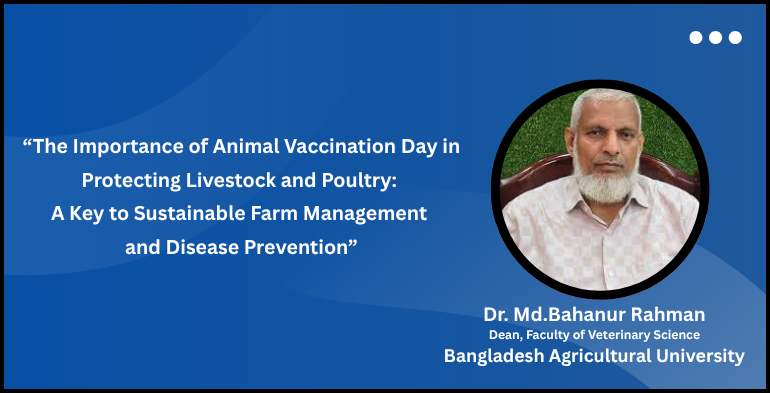
Dr. Md.Bahanur Rahman: World Animal Vaccination Day is observed annually on April 20, with the aim of raising awareness about the importance of vaccinating animals and ensuring their protection from preventable diseases. The day was first initiated in 2010 through the efforts of global animal health organizations to highlight the role of vaccination in animal welfare and public health.
Vaccination in animals is critically important as it helps prevent several severe and highly contagious diseases, including rabies, foot-and-mouth disease (FMD), avian influenza (bird flu), Newcastle disease, infectious bursal disease (Gumboro disease), duck plague, fowl cholera, salmonellosis, egg drop syndrome, inclusion body hepatitis, bovine mastitis, and distemper. Proper immunization helps control the spread of infections and reduces disease outbreaks. This is particularly significant because many animal diseases are zoonotic, meaning they can be transmitted to humans, making vaccination an essential component of public health protection.
The impact of World Animal Vaccination Day has been highly positive. It has increased awareness among pet owners, farmers, and the general public regarding the importance of routine vaccination. Many countries have strengthened their vaccination programs, resulting in a significant reduction in diseases such as rabies. Furthermore, it has encouraged governments and organizations to expand veterinary services and awareness programs in rural and underserved areas.
Impact of Poultry Vaccination in Bangladesh:
In Bangladesh, the poultry industry is a vital economic sector where vaccination plays a crucial role. Vaccines are highly effective in controlling infectious diseases such as Newcastle disease, avian influenza (bird flu), and Gumboro disease in poultry populations.
As a result of vaccination programs:
- Poultry mortality rates have significantly decreased, leading to increased production.
- Financial losses for farmers have been reduced, contributing to more stable incomes.
- Increased production of eggs and meat has strengthened national food and nutritional security.
- Reduced disease outbreaks have lowered the risk of transmission to humans.
The Government of Bangladesh and various livestock organizations are expanding poultry vaccination programs, providing training and support to farmers, thereby making the sector more sustainable.
World Animal Vaccination Day plays a vital role in promoting animal health and preventing diseases. Vaccinating animals not only protects their lives but also safeguards human health and the environment, contributing to the development of a safer and healthier world.
Animal and poultry vaccination significantly contributes to food security and safety. Through immunization, livestock such as cattle, goats, and poultry are protected from various infectious diseases, resulting in reduced mortality and increased productivity. This ensures a stable supply of milk, meat, and eggs, thereby minimizing food shortages. Additionally, by limiting the spread of pathogens, vaccination ensures safer and more hygienic animal-derived food products while also protecting public health.
Wiriter: Dean, Faculty of Veterinary Science, Bangladesh Agricultural University